

Fairplay and similarly remote mountain towns often seem far from tech headlines, but in many ways, new developments in artificial intelligence, startups, and daily gadgets are making their impact felt more deeply than ever. Here’s a look at the technologies moving in at the edges—and how they’re changing life for locals.
Bridging the Digital Divide
One key barrier in rural areas is reliable, high-speed internet. Without fast broadband, tools that urban dwellers take for granted—telehealth, remote learning, or cloud services—remain fragile or inaccessible. Studies show rural residents are less likely than urban ones to access or be trained in the AI-driven tools that are reshaping jobs and education. Where internet access is strong, those places are pulling ahead. Where it’s patchy, the tech gap widens.
Why connectivity matters
AI isn’t useful without the infrastructure to support it. In Colorado, broadband upgrades and regional internet providers are under pressure to expand capacity. Better network infrastructure lets student-learners, small businesses, and healthcare providers access tools like online diagnostics, remote collaboration, or even farm and land management platforms that rely on sensors and live updates.
Startups and Local Innovation
Colorado’s startup ecosystem remains vibrant—particularly in areas like SaaS, clean tech, life sciences, and enterprise AI. Though many of the large funding rounds tend to cluster around the Front Range, some emerging ventures rooted in more rural places are finding ways to leverage local strengths—lower overhead, access to land or natural resources, and close ties to community challenges.
Rural opportunities
When innovation is designed for real rural needs—say, environmental monitoring, precision agriculture, forestry, or public utilities—it’s more likely to make an impact locally. Local founders can often benefit from state and non-profit programs aimed at boosting AI literacy, innovation grants, and tech-for-good initiatives.
Everyday Gadgets for Mountain Living
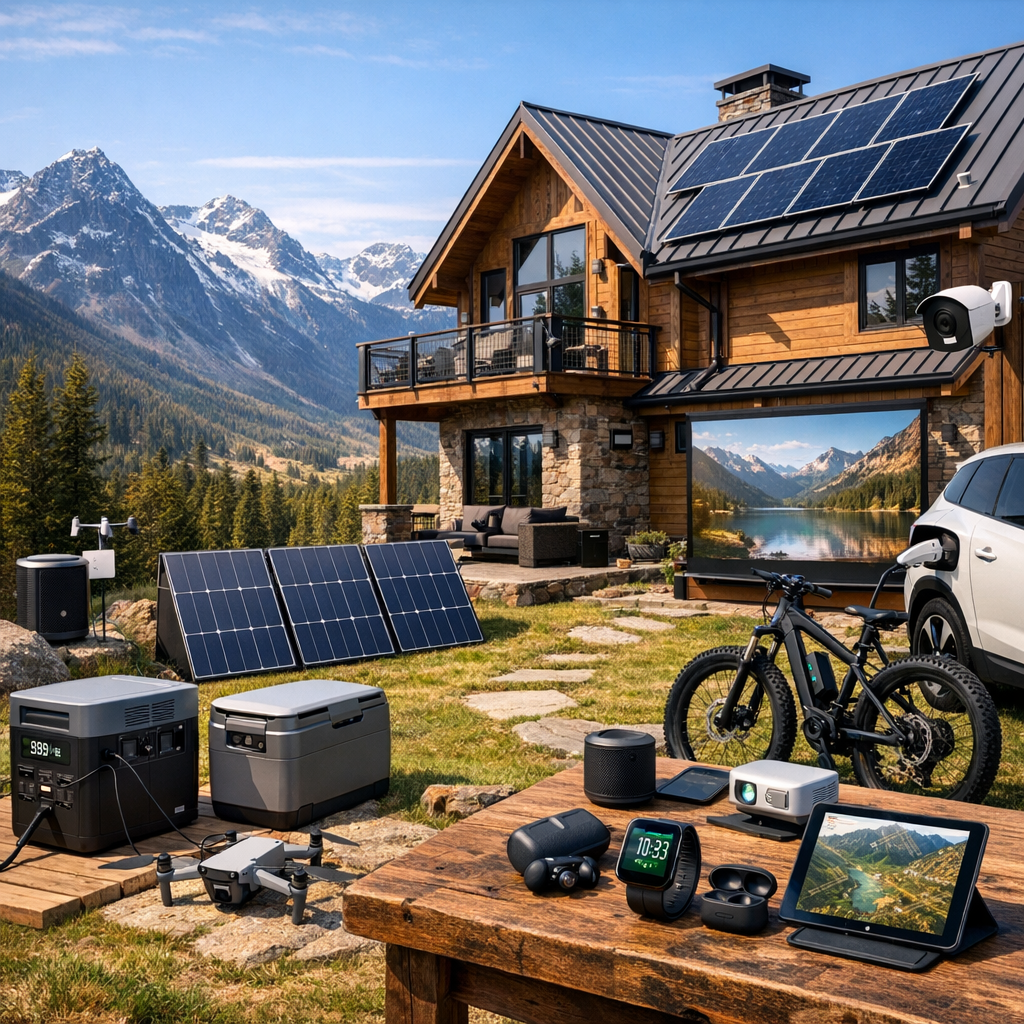
Residents here are increasingly adopting technologies tailored for our environment—whether it’s outdoor-friendly tools or smart home devices that help with rugged weather. Solar-powered chargers, satellite messengers, smart thermostats, water leak sensors, and low-power mesh network systems are becoming more common. The same goes for wearables that track altitude or weather changes—when storms move fast over the peaks, these devices can make a difference.
Balancing Innovation with Local Values
Tech doesn’t exist in a vacuum. Mountain communities like Fairplay place high value on privacy, natural beauty, self-reliance, and connection to the land. Projects like data centers or large-scale AI infrastructure may offer jobs and investment, but they also raise questions about energy use, environmental impact, and whether community voices are included in planning.
Sustainable and inclusive tech futures
Part of building a healthy tech ecosystem here means ensuring any deployment is transparent, locally controlled, and aligns with regional values. That includes training local workers in new tools, encouraging startups that solve mountain-specific problems, and avoiding infrastructure projects that degrade natural beauty or overtax utilities.
What’s Next for Fairplay and Communities Like Us
- Supporting local schools to include AI and digital skills in their curricula so students nearby don’t have to move to gain advantage.
- Pushing internet, cell, and power infrastructure forward regionally—with community priorities in mind.
- Encouraging citizen participation when new tech or policy is brought in—especially for private companies developing infrastructure.
- Looking for gadgets and services that enhance life in mountain terrain first, rather than tech that assumes urban infrastructure.
Tech isn’t coming—it’s already here. Whether it works for Fairplay will depend on the choices we make locally. The future looks promising if mountainside communities control the narrative, stay informed, and insist that innovation serve everyone.